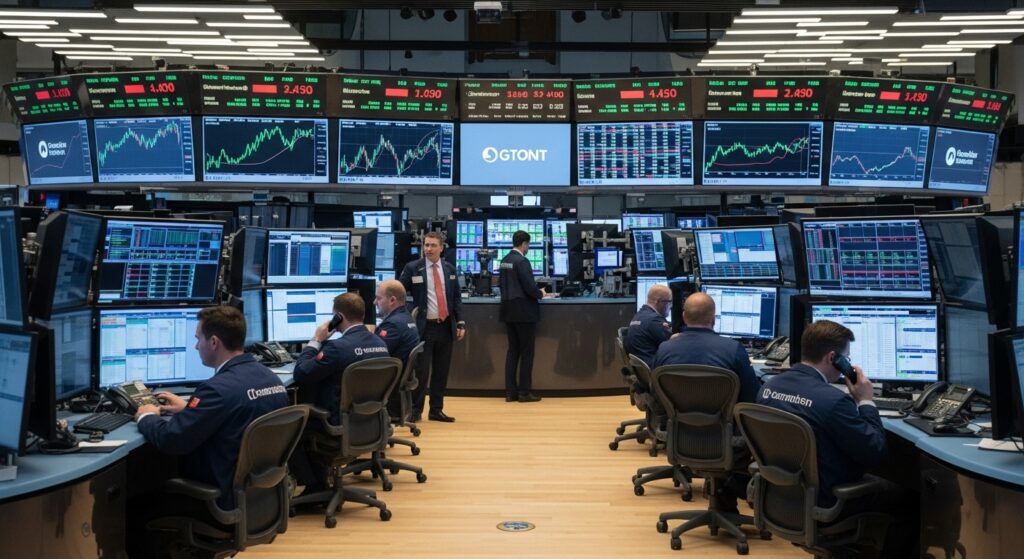
Any economy has its backbone in financial markets, a platform where buyers transact with sellers in buying and selling financial instruments such as stocks, bonds, forex, and commodities, among others. I strongly believe that financial markets are crucial in that they help companies raise money, governments raise money to fund projects, as well as individuals accumulating wealth.

In other words, financial markets are places where actual or virtual exchanges of money or financial instruments happen. Students and financial enthusiasts should know different kinds of financial markets. Financial markets are important.
Within this article, we’ll look at the 7 major types of financial markets, how they operate, and why they are significant.
1. Stock Market

What is it?
The stock market is a place where you can sell shares that are publicly organized. When you purchase a share, you are a shareholder in that business.
How It is Works
They list their shares on the stock exchange through an IPO. Once listed, traders exchange shares among themselves on stock exchanges, on:
- New York Stock Exchange (NYSE)
- NASDAQ
- London Stock Exchange (LSE)
- Pakistan Stock Exchange (PSX)
- Bombay Stock Exchange (BSE)
Why It’s Important?
Helps companies in raising money for expansion
Allows investors to build their wealth
Reflects the economic health of a country
Example
When you are buying the shares of companies like apple and reliance, you are playing the stock market!
2. Bond Market (Debt Market)

What Is It?
The market where people lend and borrow debt instruments, or bonds, is the bond market. If you purchase a bond, you are actually lending money to a government or firm in exchange for interest.
Types of Bonds
- Government Bonds
- Corporate bonds
- Municipal bonds
- How It Works
- The issuer promises to:
- Pay interest (coupon)
- Return the principal at maturity
Why It’s Important
Provides steady income
Lower Risk in Comparison to Stocks
Assists governments and organizations in borrowing money
Example
Buying a 10-year government bond that generates 7% interest every year.
3. Money Market
What Is It?
The money market primarily transacts short-term financial instruments, which are mostly for a period less than one year, are secure, and also liquid in nature.
Common Instruments
TREASURY BILLS (
- Commercial paper
- Certificates of Deposit (CDs)
- Repurchase Agreement (Repos
- How It Works
Governments and institutions rely on the money market to manage their short-term cash demands.
Why It’s Important
- Offers easy access to cash funds
- Very low risk
- Used by banks and large companies
Example
A bank buying Treasury Bills for 3 months.
4. Foreign Exchange Market(Forex Market)
What Is It?
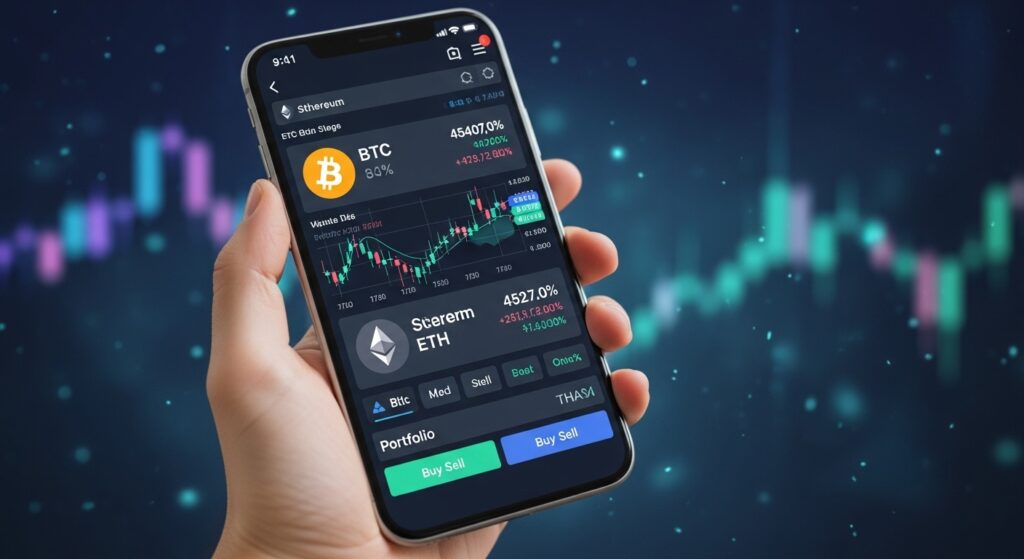
The forex market is the market in which currencies are traded. The largest financial market in the world is the forex market.
What Is Traded?
USD, EUR, GBP, JPY, PKR, INR
How It Works
Currencies are traded in pairs such as:
- USD/E
- GBP/
- Why It’s Important
- Supports international trade
- Helps in currency conversion
- Used by Governments, Banks, and Traders
Example
Exchanging USD to PKR while importing the product.
5. Commodity Market

What Is It?
A market where raw materials and the products are traded is known as the commodity market.
Types of Commodities
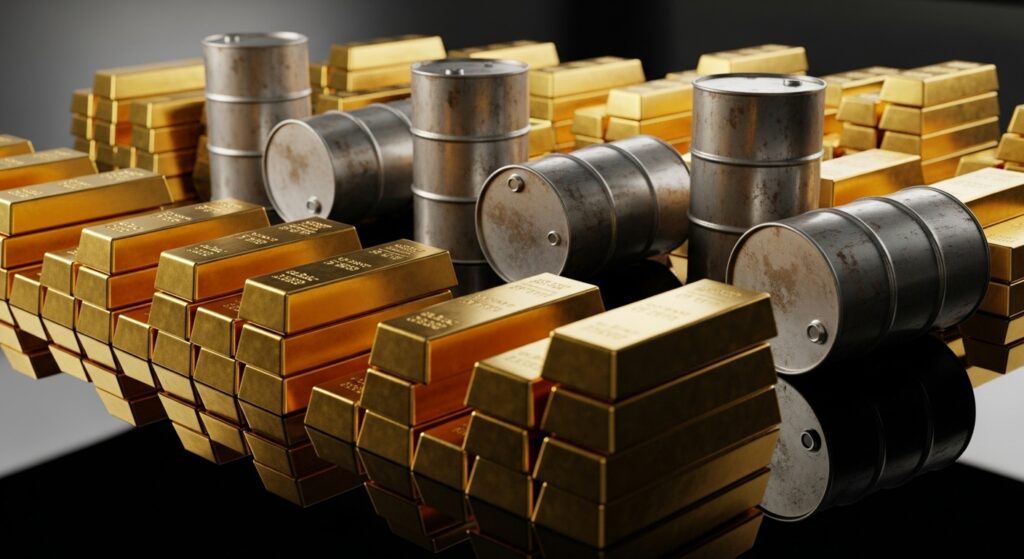
- Hard Commodities: Gold, Silver, Oil
- Soft Commodities: Wheat, Coffee, Cotton
How It Works
Trading is conducted through:
- Spot market
- Futures contracts
- Why It’s Important
- Stabilizes prices
- Protects against inflation
It helps them hedge their risks
Example
Trading gold futures in commodities exchanges.
6. Derivatives
What Is It?
The financial contracts handled by the Derivatives market derive their value or price from other financial assets such as bonds, stocks, or commodities among others.
Common Derivatives
- Futures
- Options
- Swaps
How It Works
Derivatives are used for:
- Hedging risk
- Speculation
- Arbitrage
Why It’s Important
- It helps to manage financial risk
- Improves the Efficiency of the
- Provides sophisticated trading techniques
Example
Purchasing an option contract on a stock.7. Cryptocurrency Market (Digital Asset Market)
What Is It?
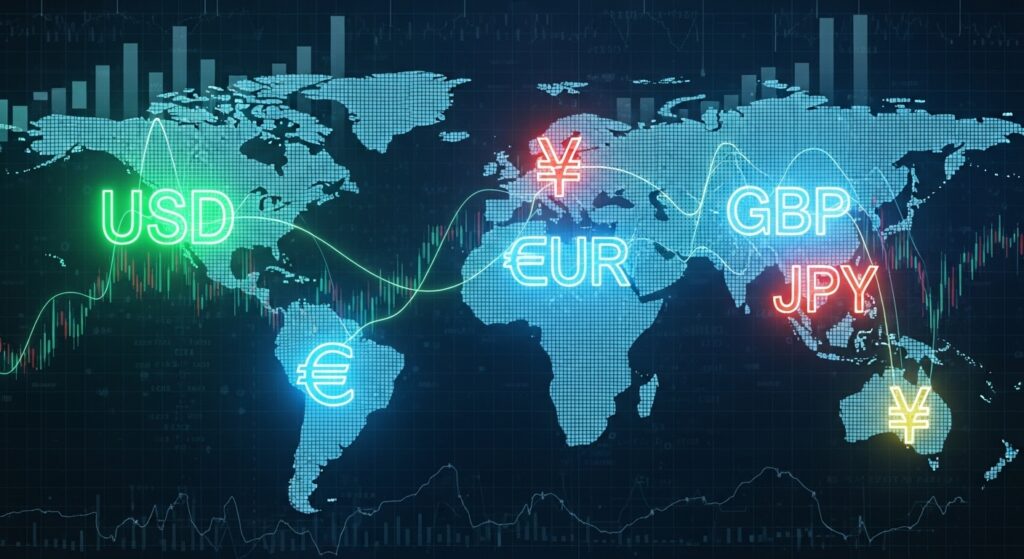
The crypto market represents a system where digital currencies are traded.
Popular Cryptocurrencies
- Bitcoin (BTC)
- Ethereum (ETH)
- Binance Coin (BNB)
- Solana
How It Works
These cryptos can also be traded online through digital wallets.
Why It’s Important
- Decentralized System
- High Growth Potential
- New investment opportunities
Example
Purchasing Bitcoin through a Cryptocurrency Exchange.**Why Financial Markets Matter**

Financial markets play an important role in:
- Economic growth
- Capital Formation
- Price Discovery
- Liquidity Creation
They match people with money to people who need money.
- Benefits of Understanding Financial Markets
- Better investment decisions
- Skills associated with risk management
- NO FINANCIAL
- Career opportunities in finance
- Economic awareness
- Financial Markets and Daily Life
Even if you are not a trader, the following affect the financial markets:

- Your Job
- Your Savings
- Your loans
- Your retirement
- Interest rate, inflation, and currency valuation are all the results of market operations.
Conclusion
The different categories of financial markets—namely Stock, Bond, Money, Forex, Commodity, Derivatives, and Cryptocurrency—play different roles in the international economy. They form a structure that allows money to flow freely and businesses and individuals to grow and secure their own future.
A first step toward becoming financially literate, or comfortable managing your own money, is to learn about how these markets operate.