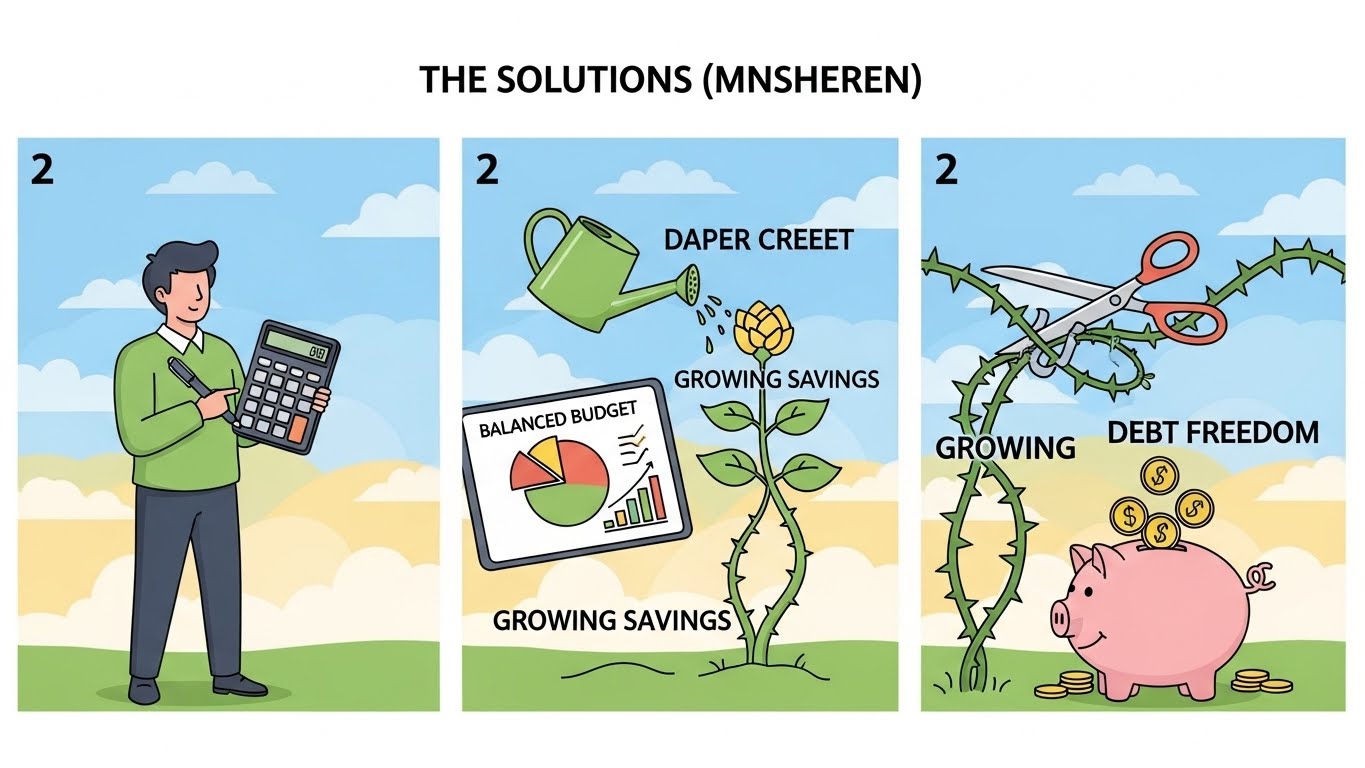
Personal finance is one of the most essential life skills that is not learned or passed on to people in the proper way. As a result, individuals end up making financial blunders that make their progress slower, and in many instances, they encounter financial difficulties. The good news is that most financial blunders that people make are common and can be avoided.
This comprehensive guide looks into the most common money mistakes and the ways and means to avoid them, and it is beneficial for those who either start new in money management or need to correct the mistakes they have made in the area in the past.
1. Not Having a Budget
The Mistake
One of the largest financial blunders that people make is living life without a budget. It becomes easy to overspend money in your account and save nothing without budgeting.
How to Avoid It
Develop a basic budget for a month by accounting for the following expenses:
Income
Fixed expenses (rent, utilities)
Variable cost (Food, Transport)
Savings
Budgeting software, spreadsheets, or even paper and pencil. The important part is to be regular and not to be overly complex.
2. Living Beyond Your Means
The Mistake
If one overspend, the end results are debt, stress, and financial instability. Often, this is due to lifestyle inflammation, whereby one overspend despite an increased income.
How to Avoid It
In order to
Earn more or spend less
Don’t Compare Your Life to Others
Save more when you earn more Living within your means is the secret to sustained prosperity.
3. Neglecting to Build an Emergency Fund
The Mistake
Until a crisis strikes, many people ignore savings. Without it, an emergency fund forces many to go into debt.
How to Avoid It
Start an emergency fund with a small goal:
- Target one: $500–$1,000
- Long-term goal: 3–6 months of expenses
Set up this fund in a separate savings account for emergencies only.4. Overusing credit cards
The Error
Credit cards are convenient but dangerous when misused. High-interest rates can turn small purchases into long-term debt.
How to Avoid It
- Pay your balance in full each month
- Try not to use credit cards for purchases that are not necessary
Track spending on a regular basis Use credit cards as a tool—not a source of borrowed money.
5. Debt Management Neglect
The Mistake
The common mistake people make is avoiding dealing with debts in hopes that they might “sort themselves out.” This would lead to late fees, higher interest rates, and damaged credit scores.
How to Avoid It
- List all debts with interest rates
- Focus on paying the high-interest debt first
- Pay on time
Debt control brings financial freedom faster than income growth alone.6. Not saving early
The Mistake
The delay in savings is a costly mistake. Many people think that when they are earning more, then they will save, but time turns out to be the most powerful factor in building wealth.
How to Avoid It
- Begin saving right away-no matter how little
- Harness the power of compound interest
Automate savings where possible. The earlier you start, the less you need to save overall.7. Not Investing At All
The Mistake
Putting all of your money into a savings account may seem secure, but the value erodes due to inflation.
How to Avoid It
- Learn basic ideas of investing
- Begin with investments that have low risk, like index funds
- Invest for the Long Term
This will involve putting funds into investments so that your money can multiply faster, unlike saving funds that don't.8. Financial Literacy
Finance and Financial Markets
The Mistake
It is common to find people making inadequate financial decisions out of complete ignorance or lack of financial literacy.
How to Avoid It
- Read finance blog sites and books
Watching educational videos. Learn from experts of repute in the finance domain. Financial literacy conveys enabling knowledge.9. Impulse Spending
The Mistake
Impulse buying undermines your budget and is usually followed by regret.
- This phenomenon, in which the level Wait 24 hours before making big buys
- Create Shopping Lists
- Minimize emotional spending triggers
It results in effective money management.10. Lack of Retirement Planning
The Mistake
Many people underestimate their retirement needs or put off retirement planning.
To Avoid
- Begin saving for your retirement
- One of Contribute regularly
This involves examining and revising the plan on a yearly basis No matter how small an individual’s input.11. Ignoring Insurance Coverage
The Mistake
For example, if one decides to forego health insurance in order to save money, he may face losing lots of money during a
How to Avoid It
One of the Make sure that:
- Health insurance
Life Insurance (If you have dependents) Property or vehicle insurance It also protects your financial future.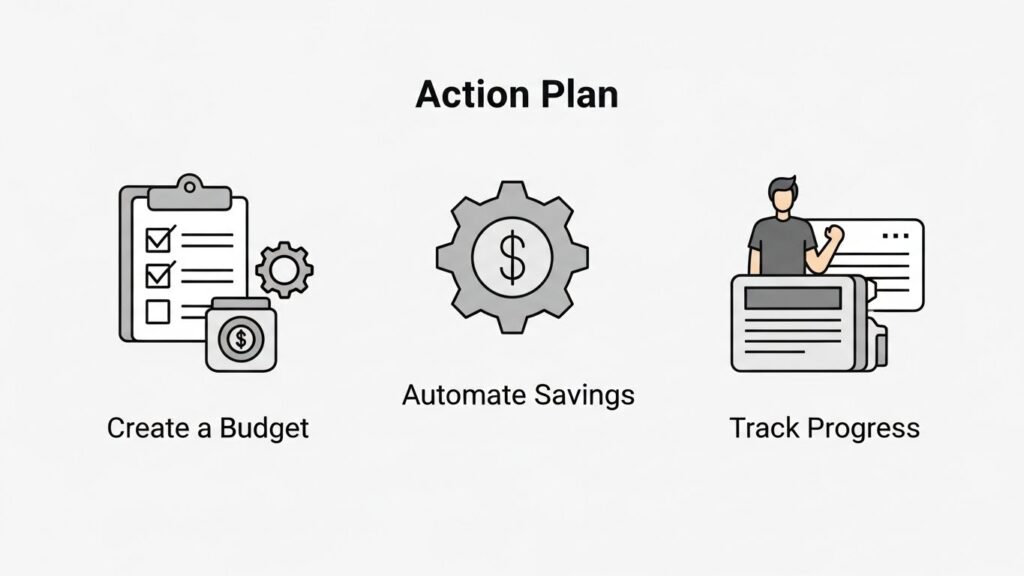
12. Not keeping tabs on expenditure
The Blunder
Not being aware of where your money goes means you can’t improve your finances.
How to Avoid It
- Track daily expenses
- Review spending on a monthly basis
- Identify and reduce waste
Awareness develops better money habits.13. Chasing get-rich-quick schemes
The Error
Many people fall into the trap of “get rich quick” schemes, scams, or high-risk investments.
How to Avoid It
- Avoid promises of ‘guaranteed returns’
- Invest. Do your research first
- Goals addressing long-term strategies
Real wealth takes time and discipline.14. Dependence on a Single Source of Income
The Mistake
There will be only one source of income.
How to Avoid It
- Earn additional income
Acquiring new skills There are various types of passive income opportunities. Having diverse sources of income is security.15. Lack of Financial Goal Setting
The Mistake
Financial resource allocation devoid of goals is meaningless.
How to Avoid It
There are several
- Establish SMART financial objectives that identify what
- Short-term
- Medium-term
- long-term
Goals give you the drive to pursue your financial journey.16. Emotional Money Decisions
The Mistake
Fear, excitement, and/or pressure can cause an individual to make poor money decisions.
How to Avoid It
To avoid this
- Take time before making major decisions
- Base decisions on facts, not feelings
Seek professional help if needed. Financial decisions have to be made in a logical manner.Final Thoughts
Money mistakes occur frequently, but this should not mean that your financial future will be that way. Awareness of the mistakes that are being made and making adjustments will help you build good financial habits.
Start small. Stay consistent. Make progress. Smart money management isn’t about being perfect. It’s about improving decision-making.