
In today’s increasing costs and uncertain financial conditions, it is not sufficient to earn money alone. What is most important is how effectively you use what you make. It is here that a personal budget plays a critical and somewhat necessary role. A personal budget is a strategy for financial planning that helps you analyze your income sources, manage your spending, save money on a regular basis, and achieve your future objectives.
This step-by-step guide will teach you how to make a personal budget, its importance, and how you can follow the budget.
What Is a Personal Budget?
A personal budget helps to characterize the spending, saving, as well as investing activities of an individual over a particular period, commonly referred to as ‘monthly’. It helps to reveal the areas where one spends money.
It indicates:
- How much money you earn
- “How much money you spend,” James argues,
- The amount you save or invest
Budgeting is not something that limits your lifestyle. Budgeting is actually a way for your money to have a purpose so you can enjoy living with less worry and more confidence.2. Importance of Budgeting
A budget is an important element in developing financial stability. Below is why it is crucial:
- It helps you from overspending
- It enables you to save for emergencies and future goals
- It helps alleviate financial burdens
- It prevents you from being in debt
3. Step One: Calculate Your Total Income

To begin, calculate how much money you take home every month.
This should include:
- All Sources of Income
- Salary/Wages
- Freelance or side income
- Business profits
- Rental income
- Bonuses or commissions
Income is not fixed. So, if you have a fluctuating income, you can calculate an average income for the past 3-6 months.Simple Interest:
- Freelance work: $500
- Total Monthly Income: $3,000
4. Step Two: List All Your Expenses
Next, list all the things you spend money on. This is an important step because, most at times, people tend to underestimate their expenses.
- Fixed Expenses (Same Each Month)
- Rent or mortgag
- Utilities
- Internet/Phone Bills
- Insurance
- Loan payments
- School or tuition fees
- Variable Expenses (Monthly Change)
- Food
- Eating out
- Transportation
Shopping Entertainment Personal care It is a good idea to track your expenses for a complete month.
It provides control over finances If you don’t have a budget, money tends to vanish without your even realizing it. If you have a budget, each dollar goes to work.5. Step Three: Categorize and Prioritize

After identifying your expenditures, organize them into the following categories:
- Needs – Essentials you must pay for
- Wants – Non-Essential Lifestyle Spending
- Savings and Investments- Saving for your future
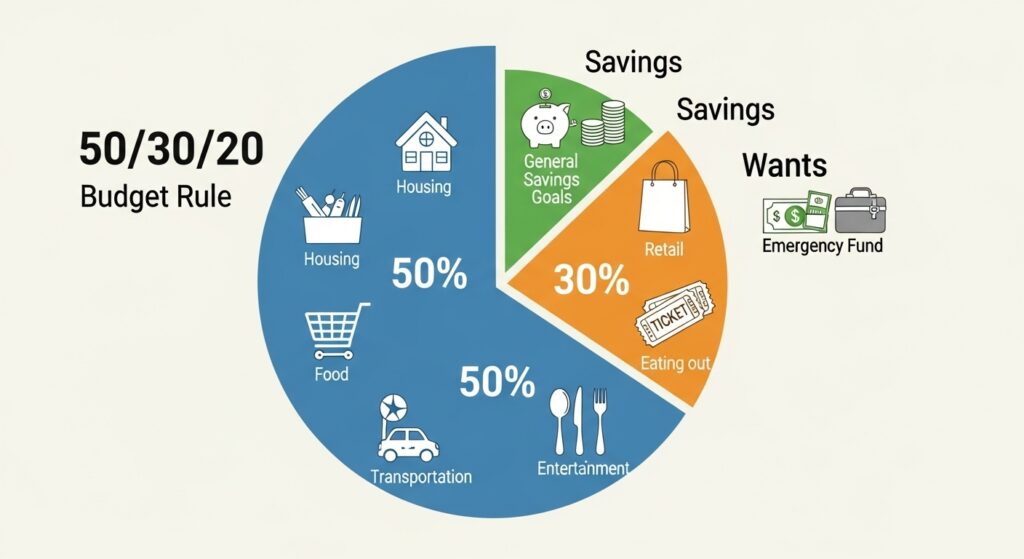
This will make it easier to understand where you are spending your money and where you can reduce spending.6. Step Four: Use the 50/30/20
One of the most popular budgeting rules is the 50/30/20 rule, which states:
50% of income→ Needs
7. Step Five:Pay Yourself First

Everyone saves the money that is left after they have spent it. Smart people save money and then spend the remaining money.Cash In Immediately:
An important thing to remember is
- Move your savings amount to a different account
- Invest a portion for growth
- Table of Contents
And then use the remainder for expenditure
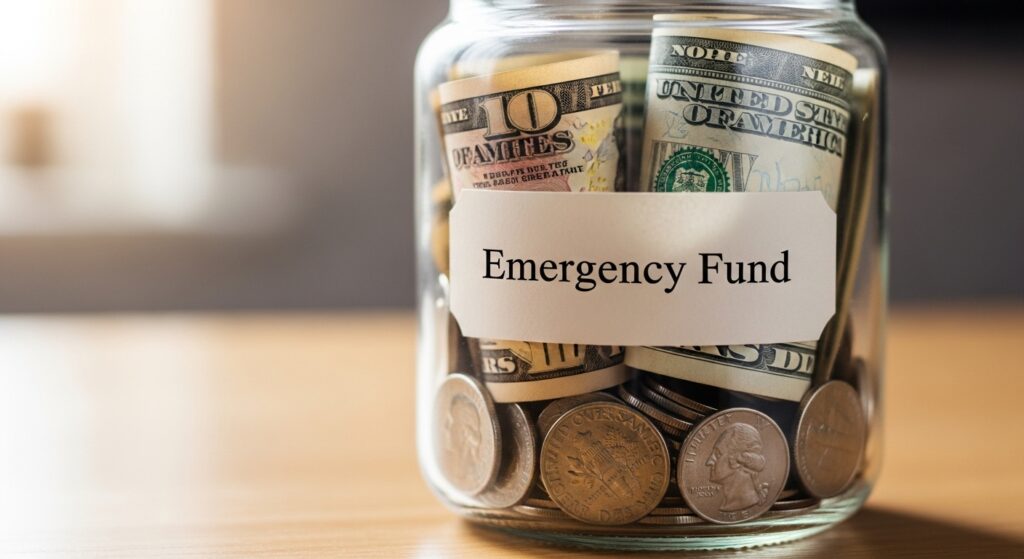
This helps develop strong saving practices habitually.8. Step Six: Create an Emergency Fund

Emergency funds safeguard you against unforeseen expenses, which may include loss of income, medical expenses, or repair work.
An example of a good target would be
- 3 – 6 months of living expenses
This money should be saved in a safe and easily accessible savings account. It should not be spent on traveling or going out for purchases.9. Step Seven: Manage & Reduce Debt
If there are loans or credit card debts, they also need to be included in the budget plan. The debts that have high interest rates are to be given utmost importance.
Deuda:
- Pay more than the minimum amount
- Concentrate on one debt, not all debts together.
Do Not Avail Yourself of Fresh Unnecessary Loans Try using cash or debit cards instead of credit cards when you can. Budgeting assists you in becoming debt-free quicker.- 30% of income → Wants
- 20% of the income → Savings & Investments
- Formula (Income = $3,000)
Needs:
- Wants: $900
- Savings: $600
You can adjust those percentages in relation to your circumstances, but in any case, you must save something.10. Step Eight: Use Budgeting Tools and Apps
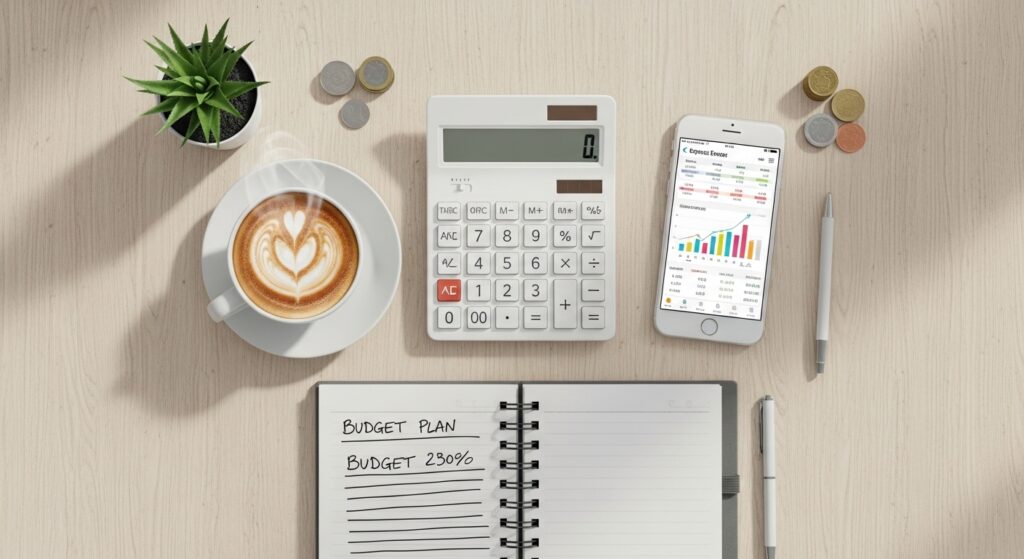
Budgeting will no longer entail using paper and pen.
There exist many applications:
- Excel or Google Sheets
- Mobile budgeting applications
- Personal finance tools
- Budgeting
- Online financial planners
With tools, budgeting becomes simple and accurate.11. Step Nine: Review Your Budget Every Month
Budgeting is not an annual process.
It should be checked from time to time:
- Analyze Planned vs. Actual Expenses
- See where you overspent
- Refine your categorization
- Enhance next month’s plan
Monthly reviews keep you in check and allow you to progress.12. Step Ten: Set Financial Goals
Your budget should also fund your goals,
which may include:
- A web hosting
- Buying a home
- Entrepreneurship
- Starting a Business
- Traveling
Retiring comfortably Linking your budget to your goals makes it easy for you to remain disciplined.13. Common Budgeting Mistakes to Avoid
Underestimation of
- Forgetting Irregular Bills
- Not saving on a regular basis
- Creating too tight a budget
- Expenditure not tracked
Budgets need to be realistic.14. How Budgeting Changes in Life

When you follow a personal budget:
- You feel more in control
- Worries regarding finances are less
- two ERVED two
- You save more
- You spend smarter
- You build a secure future
Budgeting is not about restriction; budgeting is about liberty.Conclusion:
Take Control of Your Money Today
Making a budget is an incredibly effective way of working towards a financially successful life. Budgeting helps you understand your finances, make good decisions, and plan well for the future. Whether you make a little money or a lot, a budget will assign a value to each dollar you have. Start today. Write down what you make. Keep track of what you spend. Create a plan that suits you. Trust me, your future self will be grateful.
1 thought on “How to Create a Personal Budget That Actually Works”