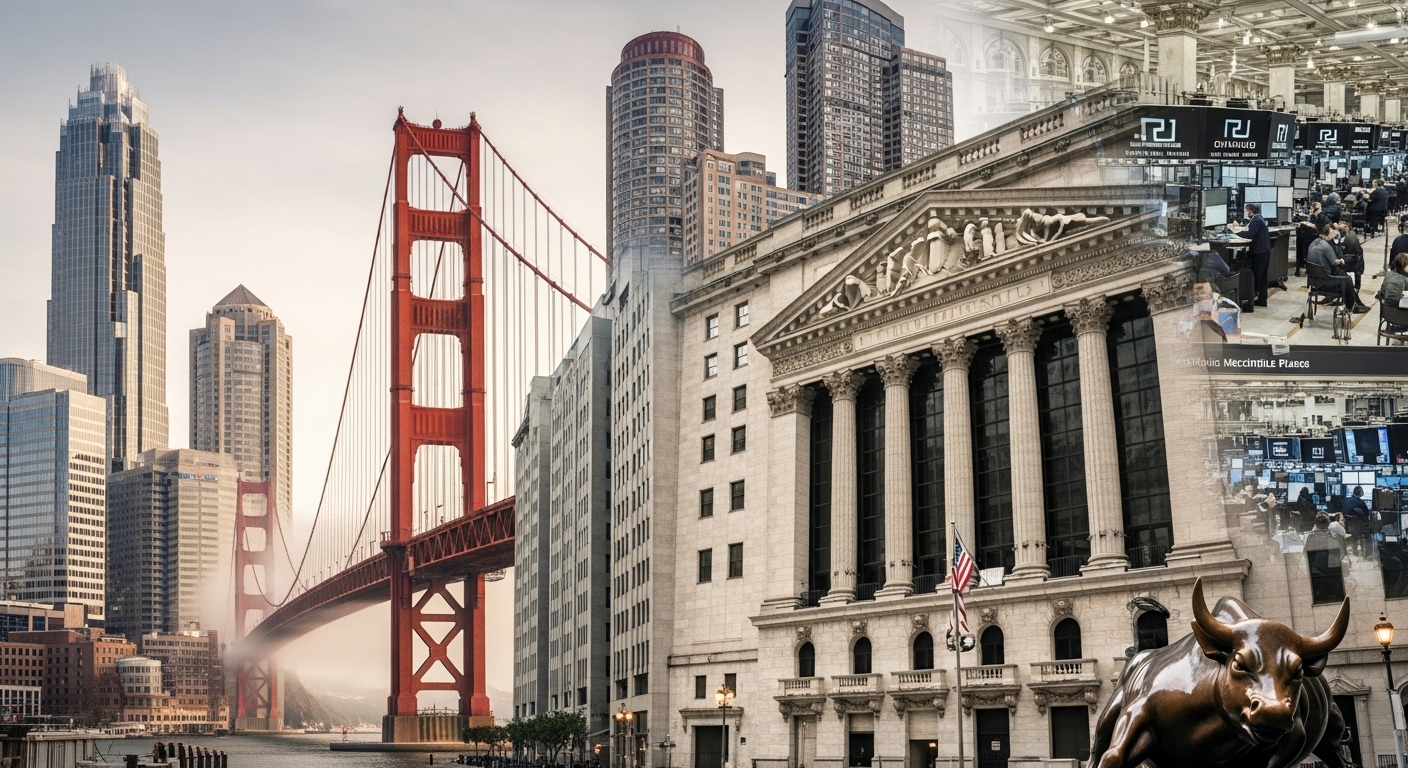
The United States has some of the world’s most prominent financial centers. Financial centers are cities that process large amounts of money through banking, investments, insurance, and other financial services. These cities not only affect the economy of the United States but also affect the global economy.
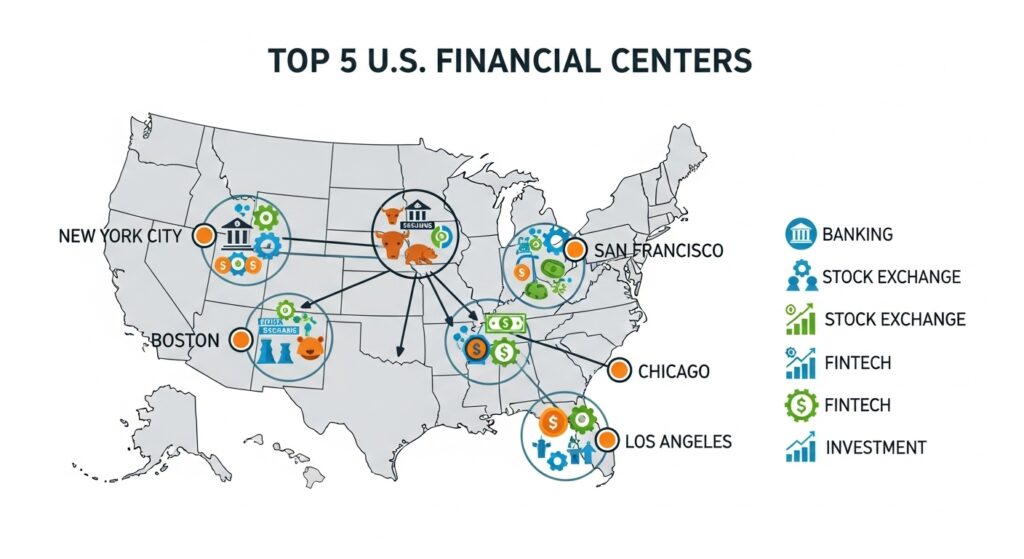
When people discuss financial centers, they are referring to cities where large banks, investment companies, insurance firms, stock exchanges, and other financial institutions are located. In the United States, these cities have gained international recognition for their size, knowledge, and influence. This article will discuss the top five financial centers in the United States, why they are significant, and how they affect finance in the United States and the world.
1. New York City, New York

Why New York Is #1
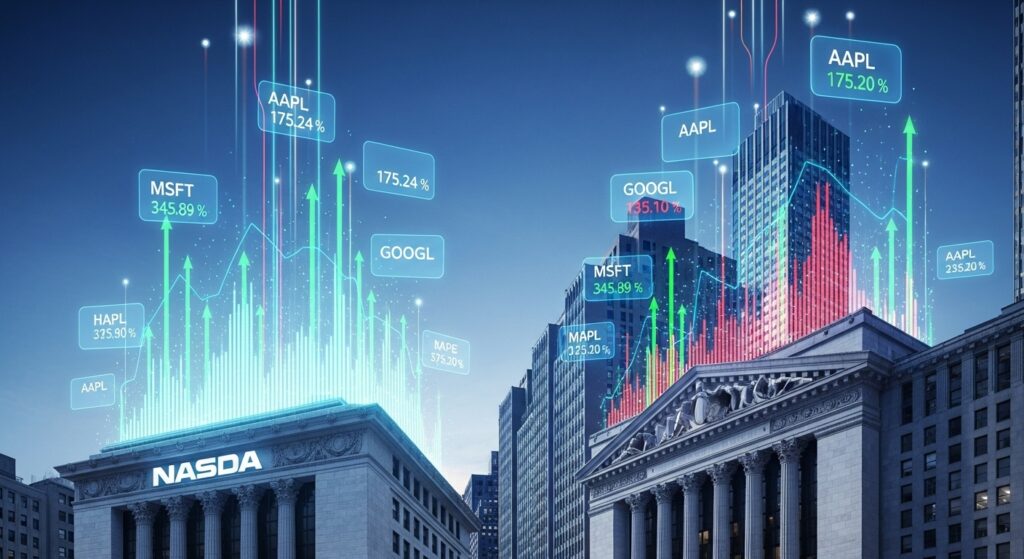
New York City is the financial capital of the United States and one of the world’s most prominent financial centers. New York City is where Wall Street, the New York Stock Exchange (NYSE), and the NASDAQ, two of the world’s largest stock exchanges, are located.
Why It Matters Globally
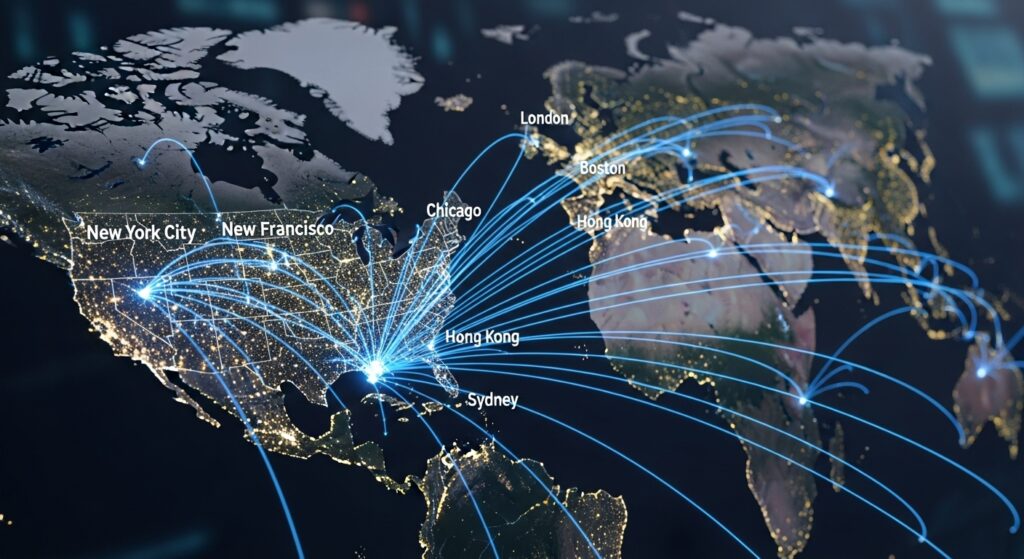
Because of the concentration of capital, New York is a trendsetter for the global finance system. What happens in New York affects London, Tokyo, and Hong Kong. It is not just a financial center in the U.S. – it is a global financial giant.
2. San Francisco, California
The Rise of San Francisco
San Francisco is famous for its tech industry and innovation, but it is also a prominent financial center, particularly in venture capital and fintech. San Francisco is the gateway to Silicon Valley, where hundreds of startups and tech giants are based.
Key Financial Activities
Venture Capital: Start-up funding is mainly in the San Francisco Bay Area.
Technology-Driven Finance: Fintech companies offer digital banking, payment solutions, and investment tools.
Banking and Wealth Management: Domestic and national banks have branches and offices.
Major Companies
Some of the leading financial institutions and fintech companies in San Francisco are:
- Wells Fargo (Headquartered in San Francisco)
- Charles Schwab
- Stripe
- SoFi
- Robinhood
- Why It Matters
San Francisco is the future of digital finance. It is where innovation in banking, investing, and money management often starts, impacting how people manage money globally.
3. Chicago, Illinois
Chicago as a Financial Hub
Chicago has been an important hub for trading and commodities for more than a century. It is the location of the Chicago Mercantile Exchange (CME) and the Chicago Board of Trade (CBOT), two of the largest futures and options exchanges in the world.
Financial Activities in Chicago
Derivatives Trading: Futures and options for commodities, currencies, and indices.
Banking and Corporate Finance: Regional headquarters of many U.S. and international banks.
Asset Management: Several investment management firms operate here.
Insurance and Risk Management: Chicago is strong in insurance and pension funds.
- Major Companies
- CME Group
- Northern Trust
- Discover Financial Services
- Allstate Insurance
- Why It Matters
Chicago leads the world in commodities and derivatives. Farmers, producers, and traders from around the world look to Chicago’s exchanges to manage risk and determine prices. It is an essential hub for world trade finance.
4. Boston, Massachusetts
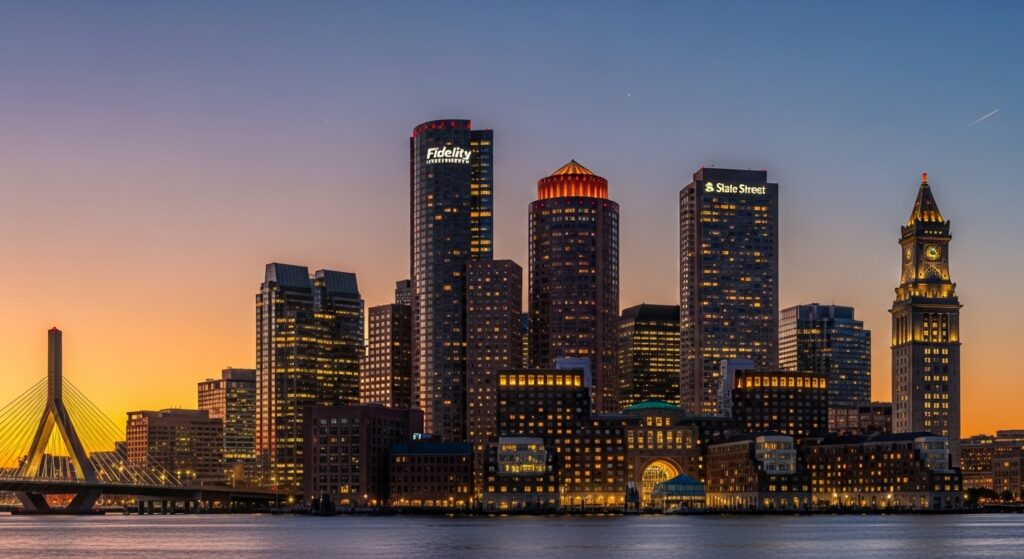
Boston’s Financial Significance
Boston has been a financial hub since colonial days, particularly in investment management, mutual funds, and private equity. Boston is particularly prominent in wealth management and asset management.
Financial Activities in Boston
Mutual Funds and Investment Firms: Boston is home to some of the largest fund managers in the U.S.
Private Equity and Venture Capital: A growing hub for funding innovation.
Banking: While smaller than New York, Boston has regional offices for major banks.
Major Companies
- Fidelity Investments
- State Street Corporation
- Wellington Management
- Putnam Investments
- Why It Matters
Boston is essential for investment and wealth management. Boston controls trillions of dollars in assets worldwide and shapes corporate decisions through private equity, mutual funds, and pension fund management.
5. Charlotte, North Carolina
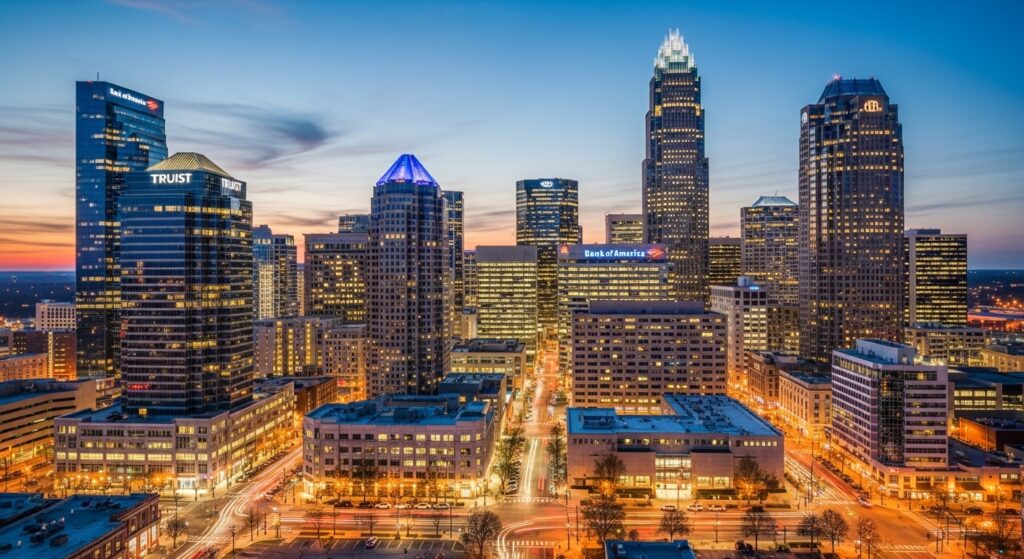
Charlotte as a Financial Center
Charlotte is not as well-known as New York or San Francisco, but it is the second-largest banking center in the U.S. after New York. Charlotte is a financial hub for commercial banking and corporate finance.
Financial Activities in Charlotte
Banking Headquarters: Headquarters of major banks in the U.S.
Corporate Finance and Lending: Primarily engaged in credit, loans, and corporate financing.
Regional Wealth Management: Expanding in private banking and investment services.
Major Companies
- Bank of America (headquartered in Charlotte)
- Truist Financial Corporation (result of merger between BB&T and SunTrust)
Why It Matters
Charlotte is vital for banking and corporate finance. It supports the operations of major U.S. banks, which in turn shape lending, mortgages, and corporate investments across the U.S.
Factors That Make These Cities Top Financial Centers

There are several factors that make a city a top financial center.
These factors include:
- Presence of Major Financial Institutions – Banks, stock exchanges, and investment firms.
- Regulatory Environment – Laws and regulations that support financial activities.
- Access to Capital – Availability of money for lending, investing, and business growth.
- Skilled Workforce – Economists, accountants, bankers, and financial analysts.
- Global Connectivity – Ability to trade, invest, and manage money internationally.
- All these factors are available in New York, San Francisco, Chicago, Boston, and Charlotte.
- How These Centers Impact the U.S. Economy
- Employment: Financial centers provide millions of jobs in banking, insurance, trading, and investment.
- Capital Allocation: They help businesses and governments raise funds and grow.
Innovation: Cities such as San Francisco and Boston lead the way in new financial technologies and investment strategies.
Global Influence: Financial centers influence markets across the globe.
Stability: Financial centers help create stability by managing risk and liquidity.
Comparison of the Top 5 Financial Centers

- City
- Key Strengths
- Major Companies
- Focus Area
- New York City
- Stock trading, investment banking
- JPMorgan Chase, Goldman Sachs, Citigroup
- Global finance, capital markets
- San Francisco
- Venture capital, fintech
- Wells Fargo, Stripe, Robinhood
- Innovation, digital finance
- The Future of U.S. Financial Centers
The U.S. financial centers are undergoing changes:
Digital Transformation: Fintech is emerging, particularly in San Francisco and New York.
Sustainability Finance: Cities are emphasizing green bonds, ESG investments, and climate finance.
Global Competition: U.S. cities are competing with London, Hong Kong, Singapore, and Frankfurt.
Remote Work: Some banking activities are shifting away from city centers, impacting employment.
Notwithstanding the changes, New York, San Francisco, Chicago, Boston, and Charlotte will continue to play a vital role in U.S. and international finance for the next several decades.
Conclusion

The United States has a number of important financial centers that fuel the economy and shape the global financial landscape. The top five financial centers in the United States are:
New York City – The world capital of investment banking, stock trading, and corporate finance.
San Francisco – The innovation capital of fintech and venture capital.
Chicago – The capital of derivatives, commodities, and trading markets.
Boston – A leading center of wealth management, mutual funds, and private equity.
Charlotte – A banking capital with a focus on commercial finance and corporate lending.
These cities, taken together, shape the financial policy of the United States, fuel innovation, and make sure that money flows to businesses, governments, and individuals. They are not just locations—they are engines of the economy, engines that shape how money moves, how investments grow, and how the United States remains a leader in the global financial landscape.