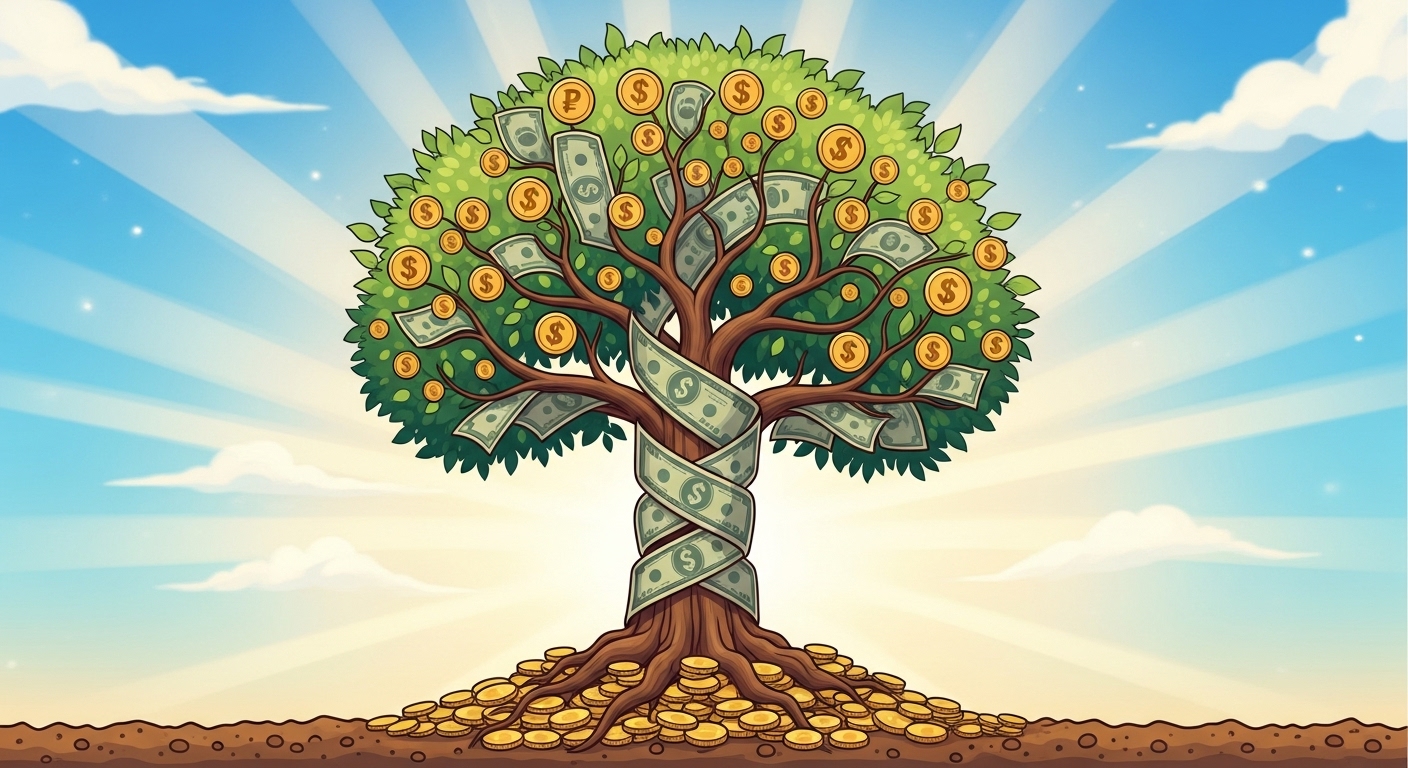

Finance is all about money and how we use it. In simple terms, finance is all about using money wisely—earning it, saving it, spending it, investing it, and planning for the future. Every time you think about how to use your money, you are actually dealing with finance.
When you buy groceries, pay school fees, save for a phone, or start a business, finance comes into play. It assists individuals and businesses in making informed decisions about money to meet their needs today and build a brighter tomorrow.
1. Why Finance is Important in Daily Life

Finance is not just for bankers or corporations. Finance is important for everyone. We all earn money in one way or another—through employment, businesses, or other means—and we all have to make decisions about how to use money.
Here’s why finance is important in everyday life:
- It helps you manage your expenses
- It teaches you to save for the future
- It helps you avoid debt issues
It helps you achieve your goals, whether it’s education, a home, a business, or travel
It provides you with financial security and peace of mind
If people do not know anything about finance, they tend to waste money, get into debt, or fail to meet their basic needs.
2. The Main Parts of Finance

There are three easy pieces of finance:
a) Personal Finance
This is about managing your own finances. It involves:
- Budgeting (spending money)
- Saving
- Investing
- Debt management
- Retirement planning or emergency funds
Example: Saving a certain amount of your salary every month is personal finance.
b) Business (Corporate) Finance
This is about managing finances for a business. Businesses use finance to:
- Fund new projects
- Purchase equipment or buildings
- Pay employees
- Make profits
- Expand the business
Example: A firm choosing to invest in new technology is using business finance.
c) Public (Government) Finance
- This is about how the government raises and spends funds. It involves:
- Taxes
- Government spending (schools, hospitals, roads)
- National budgets
Example: The government spending tax money on building roads is public finance.
3. What Does Finance Help Us Do?

Finance helps us:
- Plan – What to do with money
- Save – Set aside money for the future
- Spend wisely – Don’t waste money
- Invest – Increase money over time
- Protect – Plan for the future and unexpected events
Finance makes money work for us to build a better life.
4. Earning Money – The First Step in Finance
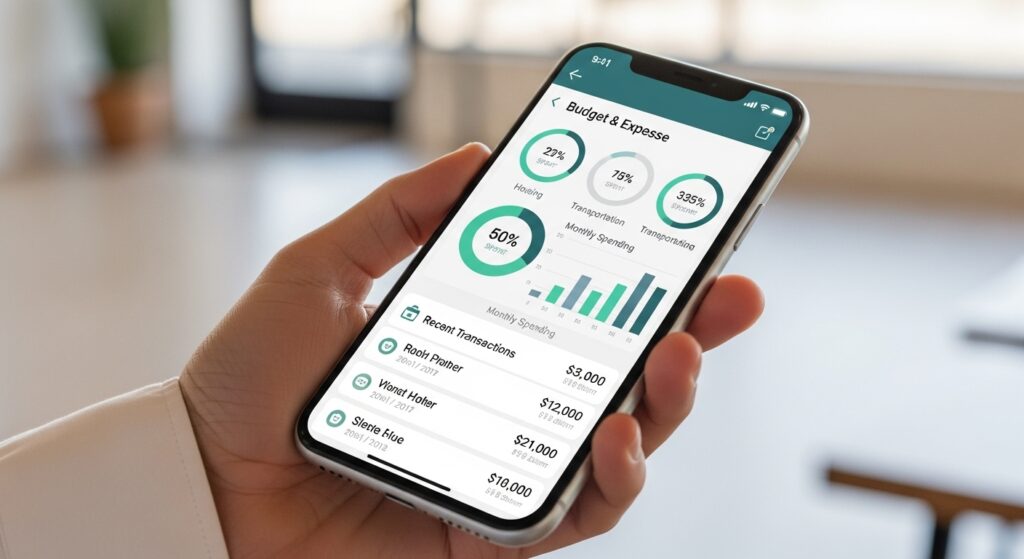
The first step in finance is earning money. People earn money by:
- Working and getting salaries
- Starting businesses
- Freelancing
- Farming
- Investing
Once you earn money, the next step is to use it properly.
5. Spending Money – Needs vs Wants

One of the most important concepts in finance is understanding the difference between needs and wants:
- Needs: Food, shelter, clothes, education, healthcare
- Wants: Fun, luxury, fancy gadgets
Good finance involves spending more on needs and less on wants.
6. Saving Money – Paying Yourself First
Saving money is a crucial part of finance. It involves setting aside money for:
- Emergencies
- Education
- Business
- Future plans
A simple rule is:
- Save first, spend later
Even saving a little money every month can make a huge difference in the long run.
7. Investing – Making Your Money Grow

Saving keeps your money safe. Investing makes your money grow.
When you invest, you use your money to:
- Buy shares
- Start a business
- Buy property
- Put money in long-term funds
The purpose of investing is to make more money in the future.
Example: If you invest today, you can have more money tomorrow.
8. Budgeting – The Heart of Finance
A budget is a plan for your money. It shows:
- How much you earn
- How much you spend
- How much you save
A basic budget looks like this:
- Income → Expenses → Savings
Budgeting helps you:
- Avoid overspending
- Control your life
- Achieve your goals
9. Debt and Loans – Using Borrowed Money

Sometimes people borrow money from:
- Bank loans
- Credit cards
- Friends or family
This is called debt. Finance teaches us:
- When it is okay to borrow
- How to pay back on time
- How to avoid too much debt
Good finance = Use debt wisely, not emotionally
10. Risk and Protection in Finance
The world is full of uncertainties. Finance helps you plan for risks such as:
- Sickness
- Loss of a job
- Accidents
- Business failure
That’s why people use:
- Emergency savings
- Insurance
- Prudent planning
Protection is a key part of finance.
11. Finance and Decision Making
Finance is all about making informed decisions. Every financial decision involves:
- A cost
- A benefit
- A future consequence
Example: Spending money on a phone today vs. spending money on education tomorrow.
Finance teaches you to think ahead.
12. Finance and Goals

Finance teaches you to convert dreams into achievable goals.
Some common financial goals include:
- Purchasing a home
- Starting a business
- Financing education
- Living a comfortable life after retirement
- Without finance, dreams remain just that—dreams.
With finance, dreams turn into plans.
13. Finance in Business and Society
Businesses require finance to:
- Create employment opportunities
- Produce goods
- Enhance lives
Governments require finance to:
- Construct roads
- Operate schools
- Offer health services
Thus, finance not only benefits individuals but also whole societies.
14. Simple Example of Finance in Daily Life
Suppose you earn $500 per month.
You allocate:
- $300 for spending
- $100 for saving
- $100 for learning/investing
This is finance in action—planning, spending, and saving wisely.
15. Why Everyone Should Learn Finance
You don’t have to be wealthy to learn finance. You only require:
- Awareness
- Discipline
- Patience
Learning finance helps you:
- Live within your means
- Reduce stress
- Create wealth gradually
- Achieve independence
16. Finance in One Sentence

Finance is the art of managing money wisely to meet today’s needs and secure tomorrow’s future.
Conclusion
Finance in simple words means how we handle money. It includes earning, spending, saving, investing, and planning. Finance is not just about numbers—it’s about choices. The better your choices, the better your life becomes.
Whether you are a student, worker, business owner, or homemaker, finance impacts you every day. When you know finance, you have control over your money. And when you have control over your money, you have control over your future.